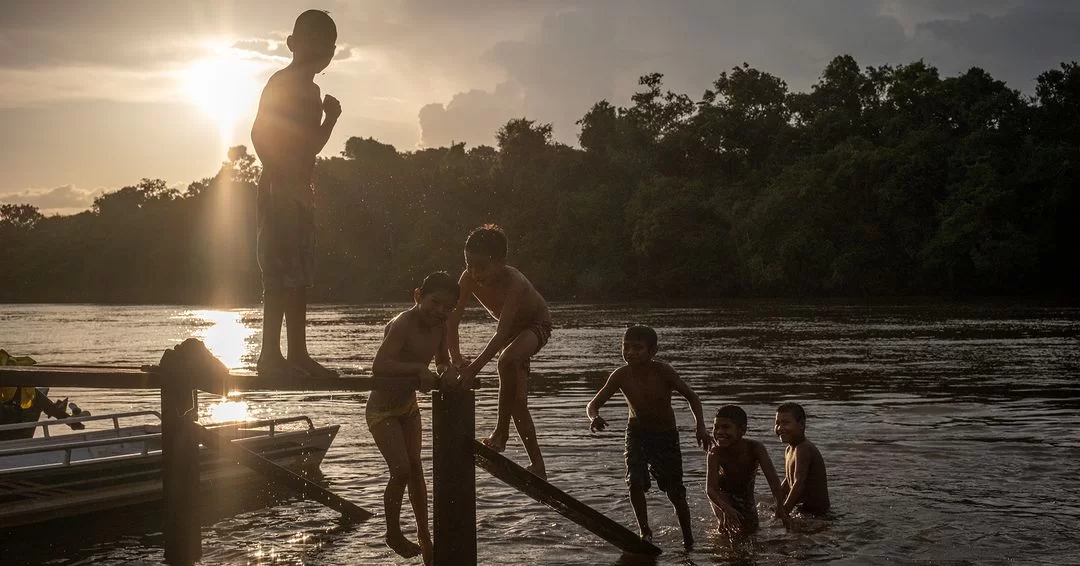
Why would I want to travel to Guyana?
Few bother — or dare — to venture into the northwest corner of South America. When told you’re going to Guyana, even your best-traveled friends may offer quizzical stares or uncertain mutterings about the risks associated with “that part of Africa.” But travellers who want to leave the tourist circuit far behind in search of genuine, personal, eye-popping adventure are amply rewarded for their efforts to set foot in this remarkable, lost land.

Guyana has preserved the vast majority of its rainforest in pristine form, replete with all the creatures, big and small, who call it home. This presents an opportunity for first-hand exploration found in few other places on Earth. No touts; no tour bus traffic jams; even postcards and souvenirs are in short supply. When you visit Guyana, you encounter something that’s hard to find these days: a magnificent, untrammeled place.

As South America’s only English-speaking country, Guyana also offers something less dramatic but equally valuable to the curious traveller: opportunities to engage directly with the people. Interior Guyana’s small and dispersed Amerindian population is warm and welcoming, eager to share its traditional knowledge of the rainforest and its rich treasures.The spirit of community in Guyana is strong and unmistakably evident at every turn.

What is the benefit of traveling with Wilderness Explorers?
Wilderness Explorers is Guyana's premier tour operator... and that's not just marketing fluff. For nearly 20 years, we've been working with local and national leaders to build the country's tourism sector from the ground up. Not from the sidelines or behind a desk, but on the ground. In the jungle. On the boats. Getting our feet dirty and seeing everything first-hand. Tourism isn't our business - it's our life. Our handcrafted itineraries prove it.

Our partners in the field aren't just suppliers in the traditional sense: we are deeply involved with the development of the lodges, tours, training programs, and attractions that draw adventurous souls to this part of the world. Back in 1999 Wilderness Explorers was one of the first tour operators to embrace the now-fashionable idea of community tourism, partnering with the Makushi village of Surama to provide marketing and administrative support for the country's first indigenously-operated ecolodge. These days we continue to work with individual lodges and regional consortiums of communities with tourism programs or aspirations. Hand-in-hand we are building this important sector of Guyana's economy together. (Check out our Community page to learn more.)

We know that local tour companies are increasingly looked upon as unnecessary middlemen in a world where the internet connects everyone with marvelous ease. Alas, Guyana is one of those places where having a competent, full-time advocate working for you locally really pays off. Most of Guyana's lodges lack reliable internet, there are no phones in the interior, too few people visit for there to be a well-worn 'circuit,' and the remote nature of Guyana's attractions simply don't lend themselves to modern administrative efficiencies. This is still a world where VHF radios and hand-carried notes are part of daily business. Bottom line: we have the tools, experience, insider knowledge, and personal familiarity to vastly simplify your trip planning process.

Capital City: Georgetown

Population: 769,100

Language: English and various Amerindian dialects

Religion: Hindu, Christian, Muslim

Neighboring Countries: Venezuela, Brazil, Suriname

Economy: Agriculture, timber, fishing, mining

Currency: Guyana Dollar (GYD or G$)

Exchange Rate: 1£ = G$400; $1 = G$200; 1€ = G$280 (converter)

Time: GMT - 3

Electrical Voltage: 110v with US-style outlets

President: Bharat Jagdeo

Climate: Coastal wet season mid-November to mid-January and May to mid-July; interior wet season May to end of August; short rains December; rest of year generally dry. Average temperature 27.5°C/82°F.

Average Daily Costs: Relatively high compared to other South American destinations. Varies greatly from itinerary to itinerary.

Recommended Guide Book: Bradt Guide to Guyana (2011 Edition) by Kirk Smock


News Maps Lodges Itineraries


Kaieteur Falls
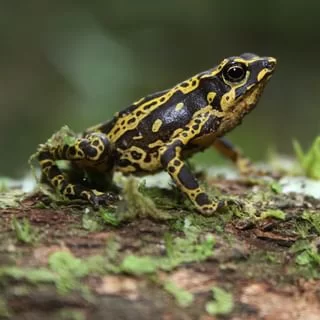
There are no other falls in the world with the magnitude of the sheer drop existing at Kaieteur. The water of the Potaro river flows over a sandstone conglomerate tableland into a deep gorge - a drop of 251 meters (822 feet) or 5 times the height of Niagara Falls. Kaieteur supports a unique micro environment with Tank Bromeliads, the largest in the world, in which the tiny Golden frog spends its entire life. The rarely seen Guianan Cock- of-the-rock nests close by. The lucky visitor may also see the famous flights of the Kaieteur Swifts or Makonaima Birds which nest under the vast shelf of rock carved by the centuries of water, hidden behind the eternal curtain of falling water. Because of its remote location, most visitors to the falls won't see any other people during their stay.

Unparalleled and remarkable biodiversity
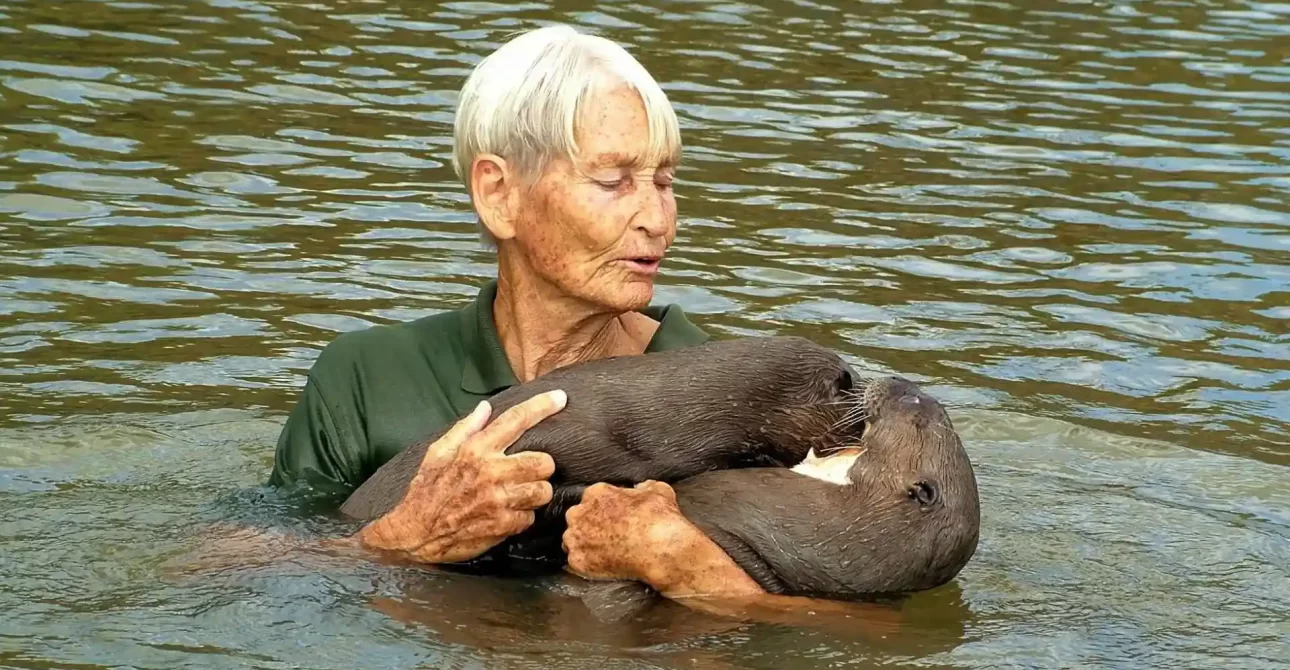
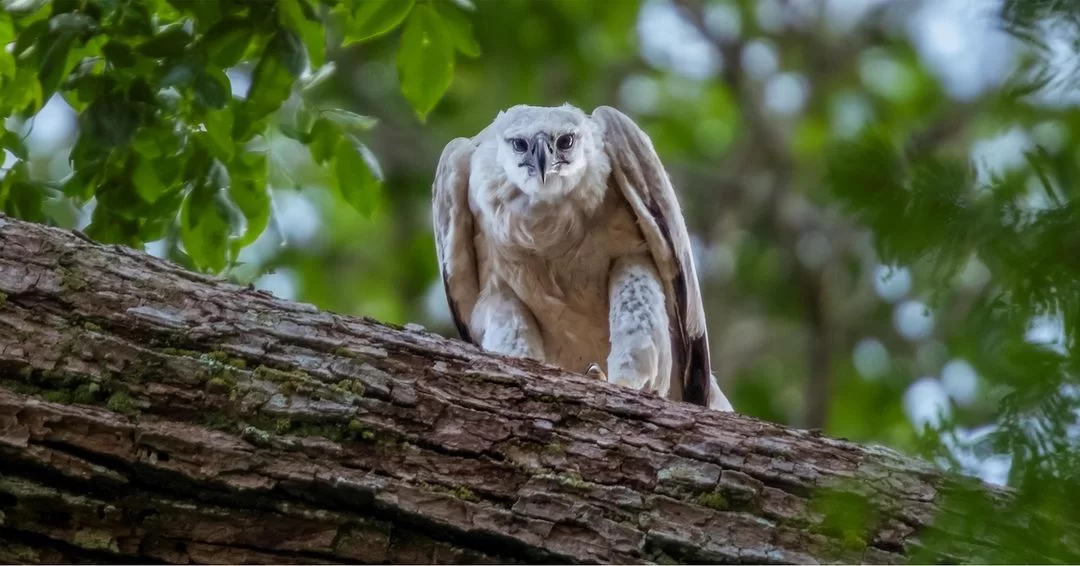
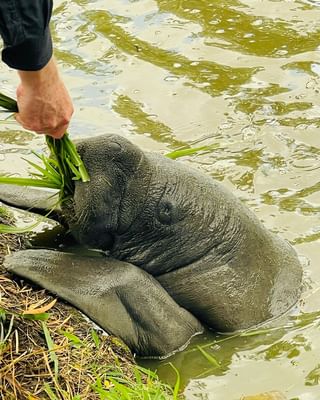
Meet some of the endangered giants of South America, many of which are still thriving in Guyana: jaguar, giant river otter, giant anteater, giant armadillo, capybara, harpy eagle, arapaima, a water lily big enough to support a child, black and spectacled caiman, giant river turtle, false vampire bat, the bushmaster pit viper, green anaconda, and a bird-eating spider. Speaking of birds, more than 800 species are found here, including the coy Guianan cock-of-the-rock, the elusive rufous-winged ground cuckoo, and the critically endangered red siskin and sun parakeet. You can also see manatee, bearded saki monkeys, Brazilian tapir, river stingrays, poison dart frogs, brilliantly-coloured beetles and butterflies, and the list goes on. Expert indigenous guides will ensure that your encounters with these magnificent creatures are as close up — or as safely distant — as possible so you can experience the intense biodiversity pulsing through Guyana’s rainforests, mountains, mangroves, and savannahs. (more)

Amerindian heritage
For thousands of years the Guianan Shield has been home to a dynamic mix of Amerindian and immigrant populations: indigenous Akawaio, Arekuna, Carib, Macushi, Patamona, Waiwai, and Wapishana tribes have been joined in the last century by European colonialists, west African slaves, and indentured servants from Java and India. As a result, intrepid travellers who venture to the Guianas discover a cultural experience remarkably unlike any other in South America. Your encounters with hosts, guides, and the local population will be authentic and direct because these are English-speaking communities who host only a select handful of visitors each year. Our guides – who grew up swimming in these rivers, walking these trails, and learning the local rhythms of nature – will help us identify the hidden gems of the rain forest and savannah, introduce us to Amerindian medicinal plant traditions, and share time-honored stories about their people’s history and way of life.

Vast pristine rainforests
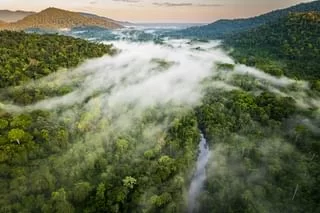
Guyana may be the third-smallest country in South America, but its tropical forests are an important resource for the whole world. With nearly 80 percent of its land covered by rain forest, Guyana joins neighbors Suriname, French Guiana and portions of Venezuela and northern Brazil to form the Guayana Shield region of Amazon forest—the source of 20 percent of the world’s fresh water. The vast forests of the Guayana Shield also contain 18 percent of all the carbon dioxide stored in the world’s tropical forests.

This remarkably intact ecosystem sustaines Guyana's treasure trove of more than 6,000 species of plants, 800 birds, 200 mammals, 200 reptiles and amphibians, and countless insects. Many of these species are endemic and some unknown to science. Its more famous endangered creatures include the jaguar, giant river otter, giant anteater, harpy eagle, green anaconda, Guianan cock-of-the- rock, arapaima, and tapir. (more)


Community tourism projects
Three Macushi villages have opened rainforest eco-lodges entirely owned and operated by the local community. Other communities support the eco-lodges by providing food, supplies, and services. These lodges are cooperatively managed and staffed by villagers who take time out of their normal daily routines to provide services to guests. You will be treated to authentic Makushi hospitality as if you were a guest in one of their homes. The abundant flora and fauna surrounding these villages is masterfully curated by local residents who convey a compellingly intimate fluency with nature through hikes, river canoe expeditions, and visits to community schools, centers, and traditional events. Only a few hundred visitors stay at these lodges each year, so you are guaranteed a rustic but authentic opportunity to interact with your hosts. (more)


Getting to Guyana from Europe
Many travellers find the best connections are through New York's JFK where both Delta Airlines and Caribbean Airlines offer direct service into Georgetown. Some prefer to fly into Bridgetown, Barbados and connect to daily LIAT or service into Georgetown. RedJet is a new carrier beginning to offer service into Guyana.

Getting to Guyana from North America
Caribbean Airlines runs flights into Guyana's Chedi Jagan International Airport (CJIA) from Toronto, New York JFK, and Miami, connecting in Port of Spain, Trinidad and Tobago. Delta offers non-stop service out of JFK. Travellers coming from the US west coast are usually able to connect to the last flight of the day out of Miami for a same-day arrival in Guyana.

Getting around Guyana
Transport into Guyana’s largely unpopulated interior regions is by small plane, river canoe, 4X4 pickup truck, and the occasional bullock cart. Indeed, getting around is truly part of the adventure!

Outside of Georgetown, there are few roads (none of which are paved) and the small number of vehicles that ply the rugged dirt and laterite roads are, frankly, miracles of endurance and roadside maintenance. Luxury aircon Land Rovers are unheard of, as are roadside petrol stations and convenience stores. That said, the vehicles and drivers we hire are a solid and reliable lot and you can be assured that you'll get where you're going. Usually on schedule!

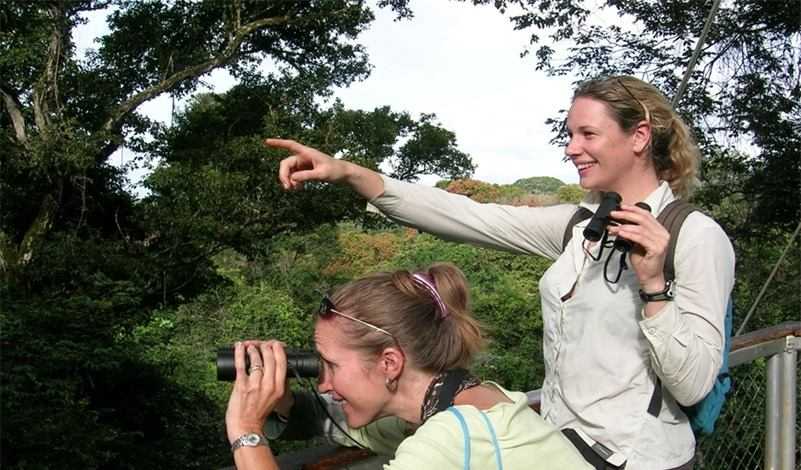
Guyana's real highways are its rivers, and you are likely to spend at least a day or two meandering along the Burro Burro, Rupununi, Rewa, Demerara, or Essequibo Rivers during your visit. Boats are typically open to the elements and run by a small outboard motor. The best bird spotting and wildlife viewing comes from these sinuous waterways, so be sure to come with a hat, sunscreen, binoculars, and a good camera. All boats have both a captain and spotter (to avoid snags and sandbars) and are equipped with life vests, water, and tarpaulins.

Aircraft are small but well-maintained bush aircraft with 6-12 seats: Cessna Caravans, 206's, and Norman Islanders... you might even get to sit up front with the pilot! No need to remove your shoes and you surely won't get scatter-scanned out on a dirt airstrip miles from civilization.

Rainforest and savannah lodges
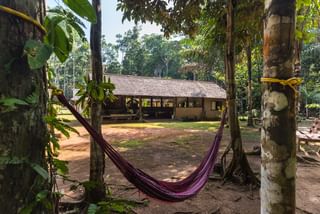
Guyana has only a handful of lodges in its rainforests and savannahs, and most of these are small and remote establishments with fewer than a dozen beds. Some - like Rewa, Surama, and Maipaima - are run by the local Amerindian villagers who turn your visit into something like a homestay experience. Others - like Karanambu and Rock View Lodge - are captained by British expats who have carved out a slice of unexpected comfort in an otherwise rugged environment. Others yet - such as Caiman House, Atta Rainforest Lodge, and Iwokrama River Lodge - have a strong science and nature focus and provide amply comfortable hospitality as well as a chance to learn about the vivid surrounding ecosystems. Running water and at least a few hours of electricity are available at each lodge, and amenities are always clean and comfortable.

While no one comes to Guyana looking for a luxury travel experience, welcome creature comforts are on offer at the charming colonial boutique Cara Lodge in Georgetown as well as the storied Pegasus on the city's northwest corner. Meanwhile, Baganara Island on the Essequibo delights visitors with a host of recreational and relaxation opportunities.

Community tourism in Guyana
The CATS Community Tourism Partnership operates the Iwokrama Canopy Walkway and Atta Rainforest Lodge, a joint partnership between Wilderness Explorers, Surama Village, Iwokrama River Lodge, and Rock View Lodge. Several Amerindian communities run their own eco-lodges including Surama, Rewa, and Maipiama Eco-Lodges. A stay in Guyana isn't complete without at least a night or two at one of these Amerindian eco-lodges.

Learn more about Guyana's hotels & lodges
Click here to see a full rundown of lodges, or click the individual properties below.

Arrowpoint Nature Resort
Atta Rainforest Lodge
Baganara Island Resort
Caiman House & Research Center
Cara Lodge
Cara Suites
Dadanawa Ranch
Iwokrama River Lodge
Karanambu Ranch
Maipaima Eco-Lodge
Pegasus Hotel
Rewa Eco-Lodge
Rock View Lodge
Savannah Inn Hotel
Status Hotel
Surama Eco-Lodge


Flights in Guyana are aboard small propeller-driven craft such as this Cessna Caravan


Small boats and canoes are essential tools for transport and wildlife spotting


Sometimes there's nothing that will get you through except a rugged and reliable 4X4


Traditional architecture at Surama Eco-Lodge in the Pakaraima Mountains


Charming colonial architecture at Cara Lodge in Georgetown


bullet
Are your itineraries online?
Yes! Check our Itineraries page to see them all.


bullet
Do I need a visa to visit?
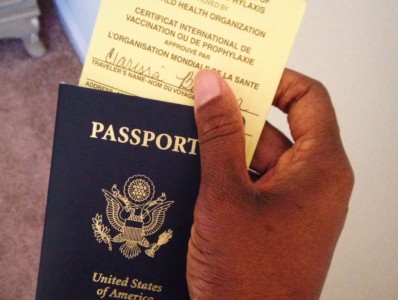
All visitors require a valid passport. The following countries do not need a visa: Commonwealth countries, Belgium, Denmark, Finland, France, Germany, Greece, Ireland, Italy, Japan, Korea, Luxembourg, Netherlands, Norway, Portugal, Spain, Sweden, Switzerland and the USA. Keep in mind that all of Guyana's neighbors - Venezuela, Brazil, and Suriname - require visas for most visitors. Those arriving by plane are required to have an onward plane ticket or documented travel arrangements. Current visa requirements should be verified as requirements can change at any time. (more)


bullet
Do I need to get shots or take malaria pills
Please consult your local travel clinic as well as the Centers for Disease Control website. These are the tropics, and insect bites are an inevitability. In addition to prophylactic measures, we always recommend long sleeves, various natural and man-made repellents, and good sense. (more)


bullet
Can I do the Canopy Walkway in a day visit from Georgetown?
No. To reach the Iwokrama rain forest you would take the overnight IntraServ bus or hop on the once-daily TransGuyana Airways flight to Annai. Fortunately, the Atta Rainforest Lodge at the base of the Canopy Walkway is a comfortable and secluded rainforest lodge, perfect for overnighting during your stay. Groups interested in charter flight arrangements can fly into either Annai or Fair View, making a stop at Kaieteur Falls along the way.


bullet
What's the best time of year to visit?
You're coming to the tropics, so plan on getting wet no matter what time of year you visit! You'll experience relatively fewer weather-related inconveniences between September and May, but the so-called wetter months have their own benefits: cooler temperatures, easier river transport, different birds, etc. None of the roads in Guyana's interior are paved, so muddy conditions can impact your ground travel plans.


bullet
Why is Guyana so expensive?
Many travellers are surprised to learn that Guyana is one of South America's most expensive destinations (exceeded, perhaps, only by French Guiana to the east). Unlike better-known, well-touristed rainforest destinations around the world, Guyana hosts only a few thousand visitors per year, leaving no opportunity to develop economies of scale in the tourism sector. Lodges are extremely remote, roads are few, vehicles are fewer, and everything operates at a small, local scale... all adding to the difficulty and cost to run excursions here. In return for the comparatively high cost, however, visitors get a stunningly rare glimpse into a primitive world that hasn't been overrun by the masses.


bullet
Is Guyana safe?
Georgetown's reputation for crime is associated with ups and downs in the local drug trade, none of which is likely to intersect with tourist activities or destinations. The biggest safety concern in Guyana comes from the remote and wild places you will visit: acess to western-standard medical care may take hours or days over trails, rivers, and rutted dirt roads. All travellers in Guyana should carry a good first aid kit and all the medical supplies they require.


bullet
I'm a birder - do you have lists I can work with?
Quite a few resources are offered on the Checklist page of this website. Wilderness Explorers guests have access to additional resources once they arrive in country.


bullet
I'm not a birder - is there anything for me in Guyana?
Absolutely! For many years, Guyana has sold itself as a birder's paradise, but the secret is out that Guyana has plenty to offer naturalists and adventure travelers of all stripes. You can certainly look forward to meeting at least one or two of the ‘giants’ of Guyana, including the world’s largest otter (Pteronura brasiliensis), largest anteater (Myrmecophaga tridactyl a), largest bat (Vampyrum spectrum) largest pit viper (Lachesis mutt, or ‘bushmaster’), largest freshwater turtle (Podocnemis expanse) largest freshwater fish (Arapaima gigs), largest spider (Theraphosa blondi, commonly known as the bird-eating spider), largest bird of prey (Harpia harpy, or harpy eagle) largest rodent (Hydrochaeris hydrochaeri) or the endangered black caiman (Melanosuchus niger). You’ll even view the world’s largest water lilly (Victoria amazonica) and possibly get to watch one of its blossoms make a rare twilight bloom. And don’t worry – your expert guides will ensure that your encounters with these giants are from a respectable and safe distance.

More of a culture hound? Guyana is one of the few places on earth where you can comfortably carry on a conversation with indigenous people in your/their native english. This presents wonderful opportunities to develop camraderie and understanding without the hassle of a translator. If you come to Guyana in September, ask about the schedule for the Rupununi's annual Heritage Festival.

Then there's simply the adventure of moving around in Guyana in small planes, canoes, 4X4 jeeps, and along its remote jungle trails. There's no such thing as a boring day in the wild rainforests and savannahs of Guyana.


bullet
Do you have reading lists, packing suggestions, and other trip perparation materials for me to read?
Yes! All our clients are provided with pre trip materials assembled by our field staff to help you prepare for your trip. The best place to start is the Bradt Guide to Guyana by Kirk Smock (look in our US and UK store). It's the only dedicated guide to the country written by a venerable traveller who really knows the country's ins and outs. A new version was published in mid-2011.


bullet
Whoa - Guyana sounds pretty wild!
Guyana remains an unknown destination for most people. Travel writer John Gimlette says, “You couldn’t invent a place like this... if it were a novel, it would be rejected as utterly improbable.” (His book, The Wild Coast, is a great read).

This is a nation at the earliest stages of developing a viable tourism industry, with infrastructure and expertise evolving steadily but inconsistently. The Guyanese people are pursuing sustainable and community-based approaches to tourism which means your experience will be genuine, authentic, and intimate. We think this goes to the heart of Guyana's treasure: unspoiled nature, inquisitive locals, non-commoditized opportunities for adventure. This rawness is, however, delicate and somewhat unpredictable. As you travel through this fascinating territory, we must stress the importance of adopting a sensitive, responsible, and patient attitude. This is especially true for the first two or three days of your trip while your mind’s clock will be adjusting to the local rhythms.

Despite our best endeavors, local flight delays and rescheduling may occur at short notice. Vehicles may break down, fail to appear, or get stuck in a muddy rut. You might find yourself scanning a river on the one day every single giant river otter has gone a different direction. You might awake one morning to find a (harmless) fruit bat staring at you through your mosquito net. In all this, your positive frame of mind and sense of humor will help enormously!


©2012 Wilderness Explorers - Guyana, South America
Guyana [+592] 227-7698 | London [+44] 020 8417 1585 | Europe [+41] 56 222 9978 | US [+1] 202-630-7698
journeys@wilderness-explorers.com
Client Login | Agent Login