
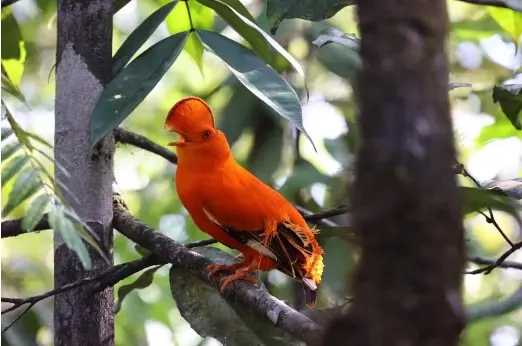
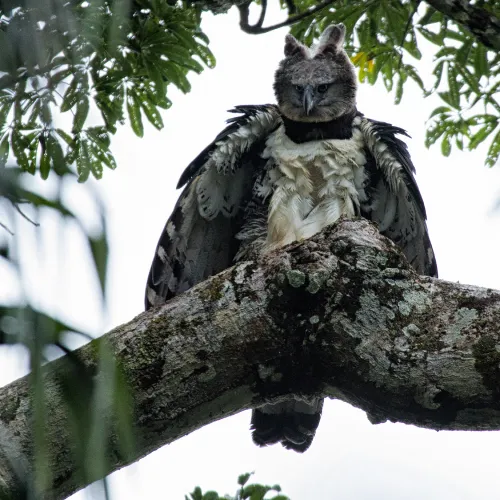

Guyana ranks among South America’s most rewarding birdwatching destinations, wtih 828 recorded bird species and counting — including the Harpy Eagle, Sun Parakeet, and Guianan Cock-of-the-Rock! Whether you are looking for a customised tour package or a wider wildlife journey with birding opportunities, explore guided trips designed to help you experience the very best of birding in Guyana. Discover Guyana birding tours and bird watching experiences with Wilderness Explorers, from rainforest and river habitats to the Rupununi savannahs and Iwokrama protected areas.
Our birding specialists can build an itinerary around your target species list, travel window, and budget.
Request Custom Tour
Guyana is a small country on the north coast of South America but can be regarded as one of the...
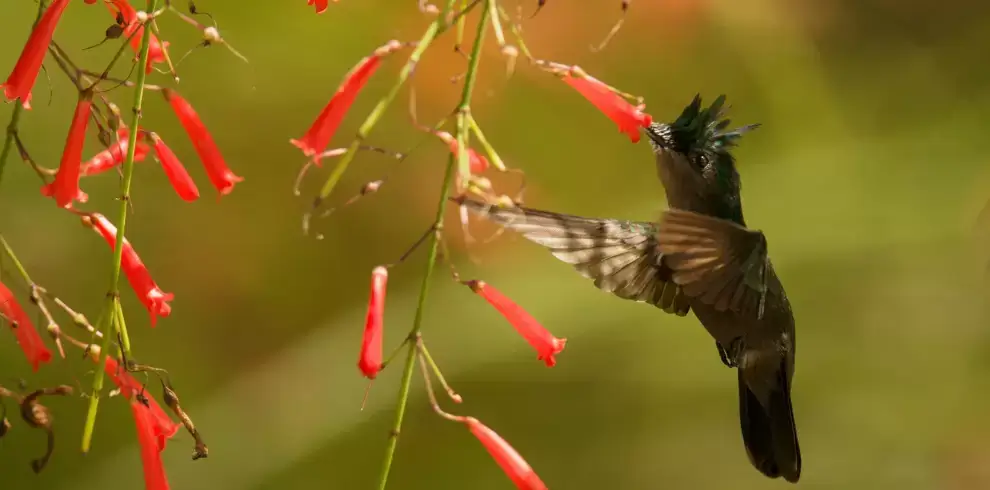
A 15-day Birding in Guyana Tour which is moderate paced and great for birders. Guyana is a small country on...

Georgetown's Botanical Gardens is located in the heart of the city and is home to over 200 species of birds....
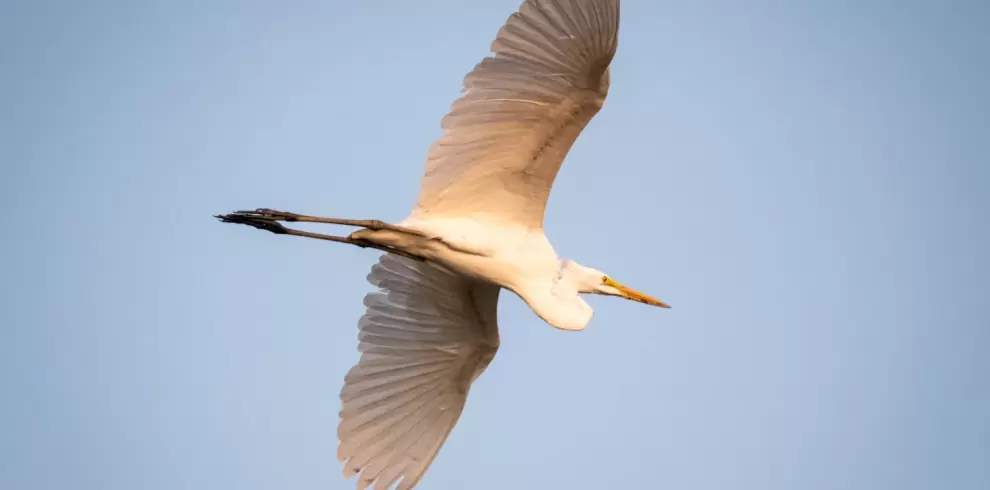
Enjoy a private riverboat cruise along the bank of the river with your guide providing a brief history of the...
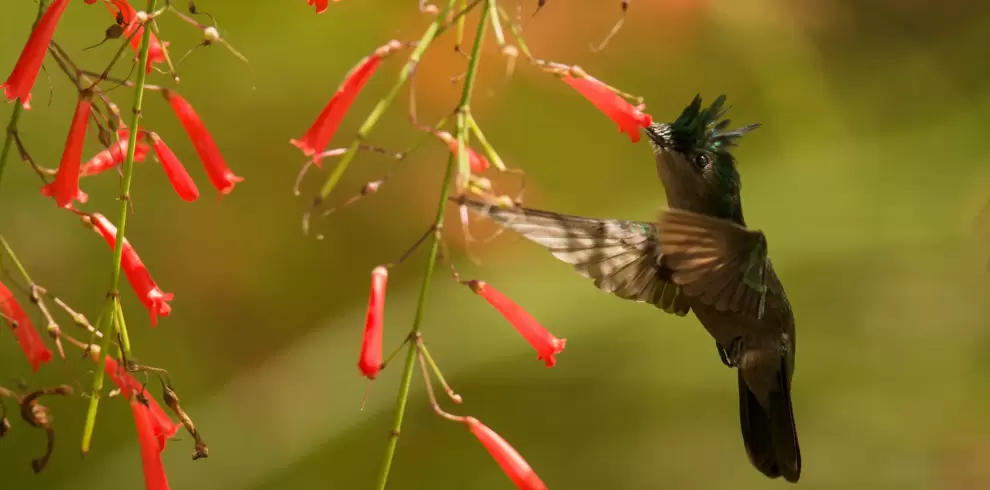
Discover Guyana’s incredible birdlife on this 10-day birding adventure through rainforests, rivers, and savannahs. Beginning in Georgetown and travelling deep...
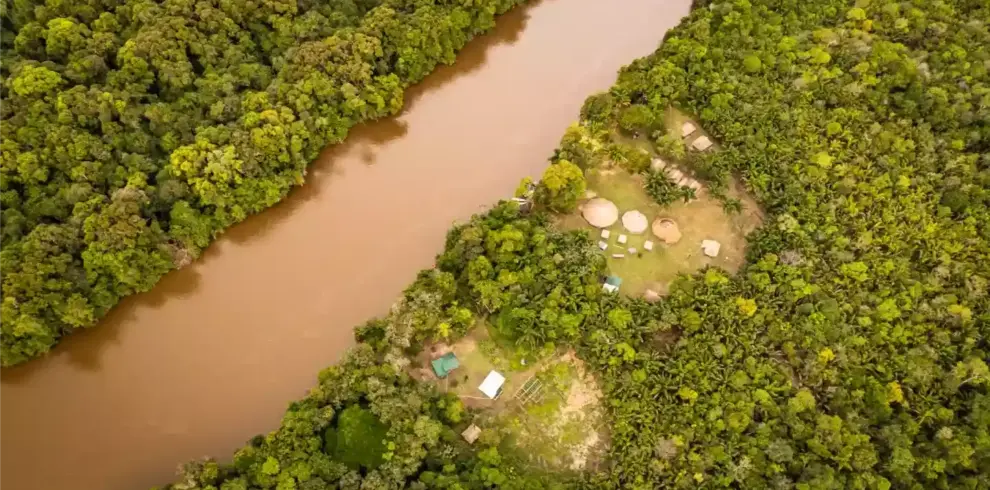
Experience the majestic Kaieteur Falls, deep rainforest immersion and fascinating Makushi culture. This adventure includes a visit to Kaieteur Falls,...

Looking for a quick escape into the heart of Guyana’s nature? This day tour to Arrowpoint offers the perfect blend...
Guyana sits at the heart of the Guiana Shield, one of the oldest and most biologically intact geological formations on Earth. It is nearly 90% of the country remains forested, meaning the habitats that drive Guyana’s exceptional bird diversity are still largely pristine. With 828 bird species recorded here, including a concentration of Guiana Shield endemics found nowhere else on the planet.
For visiting birders, what sets Guyana apart from more heavily visited South American destinations is the combination of low tourist pressure, accessible interior wilderness, and a well-developed network of community lodges and private reserves. Sites like Iwokrama, Surama, and the Rupununi Savannah are within reach on a structured itinerary, and because visitor numbers remain low, bird behaviour at key sites is largely undisturbed.
Wilderness Explorers has been running guided birding tours in Guyana since 1994. Our guides combine deep local knowledge of habitat and seasonality with a serious interest in getting clients onto their target species — whether that’s a Sun Parakeet flock in the Rupununi, a Harpy Eagle nest in Iwokrama, or a Guianan Cock-of-the-rock at dawn.
The species below are among the most-searched targets for birders visiting Guyana. Most can be seen on a well-planned 10–13 day itinerary combining rainforest and savannah habitats. Several are Guiana Shield endemics or near-endemics that draw specialist birders from Europe, North America, and beyond specifically to see them here.
Other notable targets include: Zigzag Heron, Scarlet Ibis, Jabiru Stork, Crestless Curassow, Rufous Crab-Hawk, Blood-coloured Woodpecker, and a strong selection of manakins, antbirds, and cotingas throughout the rainforest zones. A 10-day tour covering multiple habitats regularly produces 300+ species.
Guyana's birding is divided across four main ecosystem zones. Most multi-day tours visit at least two; our flagship itineraries are designed to cover three or more to maximise both species count and habitat variety.
The crown jewel of Guyana birding. Over 500 species recorded in this protected 371,000-hectare rainforest. Best for canopy specialists, raptors including Harpy Eagle, and night forest walks. The Iwokrama River Lodge offers guided access to trails not open to the general public.
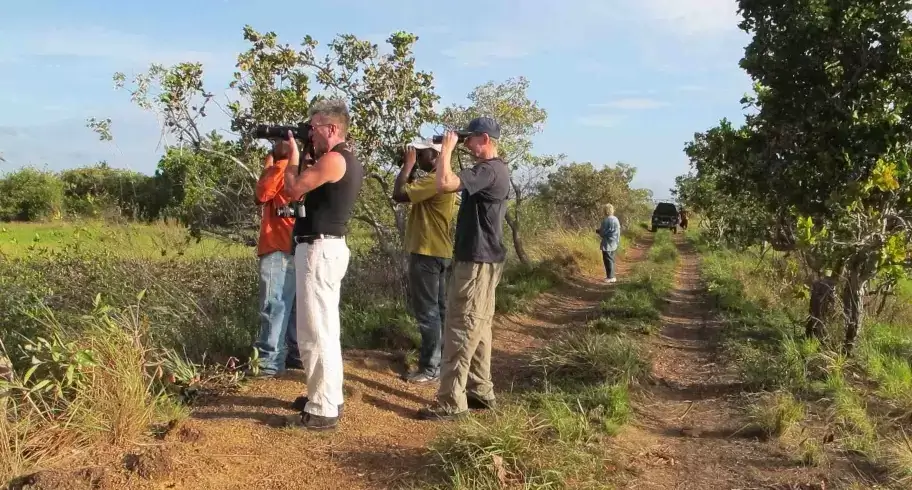
Vast open grasslands in southern Guyana bordering Brazil. The dry season (Oct–Mar) concentrates water birds at seasonal pools. Sun Parakeet flocks, Jabiru Stork, and Red Siskin are possible here. Saddle Mountain and the nearby cerrado scrub add grassland endemics.
The tepui highlands around Kaieteur Falls host Guiana Shield specialities rarely found elsewhere. Tepui Swift, White-chinned Swift, and Guianan Cock-of-the-Rock are among the key birding targets, while multi-day Pakaraima itineraries can reach more remote summit and highland habitats.
The Atlantic coast mudflats and the Georgetown Botanical Gardens are surprisingly productive. Scarlet Ibis, Rufous Crab-Hawk, and large shorebird numbers during austral summer. The Gardens alone have recorded 150+ species and make a strong first or last day birding stop.
Guyana has two dry seasons and two wet seasons. Birding is possible year-round, but the quality of access, comfort, and bird activity varies significantly. For most visitors, January to April and October to December offer the best combination of conditions and species activity.
Best access, comfortable temperatures, and peak bird activity before breeding. Optimal for most itineraries and the period most international birding tours operate.
Rainforest is lush and vocal. Some interior roads become difficult. Strong for resident forest species but logistics require flexibility. Not recommended for first-time visitors.
A secondary window of good access and birding conditions. Less busy than Jan–Apr. Good for independent birders or custom itineraries.
Post-green season brings fresh foliage and strong bird activity. Water birds concentrate at drying pools in the Rupununi. One of the best periods for savannah targets.
The strongest birding windows are generally January to late April and September to early December, when access is easier, roads are drier, and conditions are usually better for reaching key interior birding areas. Wilderness Explorers can help match your travel dates to the habitats and species you most want to prioritise.
That depends on route, pace, and length of trip, but a well-planned multi-day itinerary covering more than one habitat can produce a very strong list. Guyana itself is home to over 820 recorded bird species, so the real advantage is not only numbers, but access to rainforest, river, wetland, and savannah birding in one country. Wilderness Explorers designs itineraries to balance realistic daily birding with the habitats most likely to add quality species to your list.
Yes, Guyana is one of the better places in the region to look for Harpy Eagle, especially on itineraries that include major forest areas such as Iwokrama and nearby community-guided birding zones such as Surama. As with any wild species, sightings can never be guaranteed, but Wilderness Explorers can build your route around the areas and current local conditions that give you the best chance.
Yes, provided expectations are set correctly. Some trips are better suited to dedicated birders who want long field days and target species, while others work well for travellers who want birding as part of a broader wildlife and nature experience. Wilderness Explorers can advise whether a more focused birding itinerary or a mixed-interest journey is the better fit for your group.
For many visitors, the strongest combination includes Iwokrama and Atta for interior rainforest birding, Surama and the North Rupununi for forest-edge and savannah transition habitats, Karasabai for Sun Parakeet country, Kaieteur for Guiana Shield specialties, and Georgetown Botanical Gardens for accessible birding at the start or end of a trip. Wilderness Explorers can help prioritise these areas based on your target species, trip length, and travel window.
Yes. Custom birding planning is especially useful in Guyana because travel times, internal flights, lodge locations, and habitat differences can have a big impact on what you see. Wilderness Explorers can shape an itinerary around your dates, pace, budget, and target species, whether you want a dedicated birding trip or a broader wildlife journey with strong birding throughout.
Birding itineraries in Guyana usually combine a small number of strategically located lodges close to the habitats being targeted. Common bases include Atta Rainforest Lodge / the Iwokrama area for interior forest birding, Surama for savannah-forest transition habitats, Karanambu for Rupununi wetlands and grasslands, and in some itineraries Rewa for deeper interior access. The right combination depends on the route and species priorities, and Wilderness Explorers can match lodge choice to the style of birding you want.
Costs vary widely depending on trip length, internal flights, lodge choice, transport, and whether the itinerary is private or scheduled. Birding-tagged trips currently range from shorter excursions at a few hundred US dollars to longer multi-day journeys in the several-thousand-dollar range, and dedicated birding itineraries are priced separately by group size and format. The best approach is to treat pricing as itinerary-specific, especially if you want custom routing around particular species or regions.